• Skip to primary navigation
  • Skip to content
  • Skip to primary sidebar

IZA Newsroom

IZA – Institute of Labor Economics

  • Home
  • Archive
  • Press Lounge
  • DE
  • EN

Revealing stereotypes to teachers can improve student outcomes

January 18, 2019 by Peter Drahn

If people become aware of their stereotypes, do they change their behavior? Stereotypes are over-generalized representations of characteristics of certain groups. They allow for easier and efficient processing of information, but they may cause biased judgment or even discrimination against particular groups. In addition, discrimination may lead to self-fulfilling prophecies by influencing the behavior of discriminated groups in the direction of the stereotypes.

A recent IZA discussion paper by Alberto Alesina, Michela Carlana, Eliana La Ferrara and Paolo Pinotti investigates how implicit stereotypes held by middle-school teachers in Italy bias their assessment of immigrant and native children. Based on a sample of 65 Italian middle schools, the authors investigate the magnitude of existing stereotypes and whether revealing these stereotypes to the teachers makes them reconsider their behavior.

Students in Italy choose between different tracks after middle school. Discrimination at this important juncture may ultimately lead to poorer career outcomes. As Figure 1 shows, teachers in both Mathematics and Literature tend to give lower grades to immigrant students compared to natives who have the same performance on standardized, blindly-graded tests.
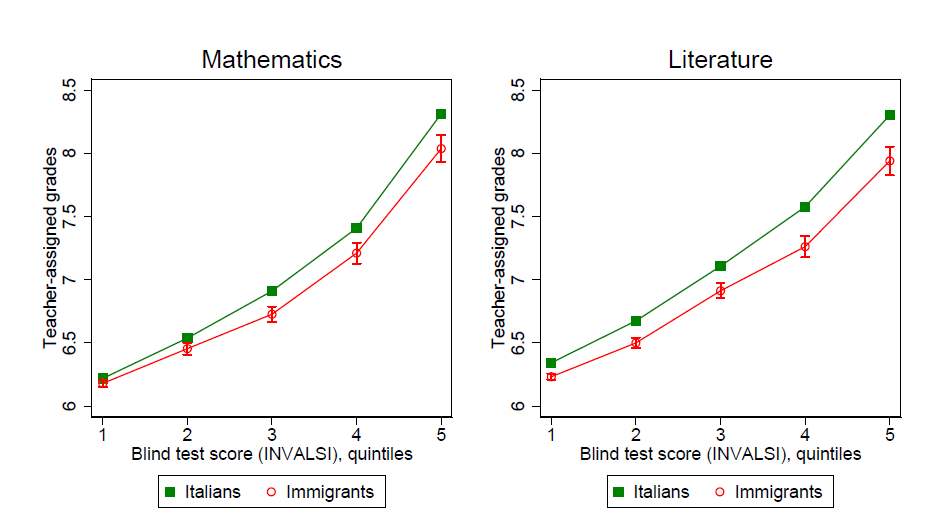
Figure 1: Teacher-assigned grades vs. blindly-graded, standardized test scores

This mismatch per se is not a proof of bias, since there may be characteristics that differentiate immigrants from natives that are only observable to teachers, such as disciplinary problems. To prove that these differences indeed result from teachers’ stereotypes, the authors empirically assessed the extent to which teachers were biased towards immigrants in a so-called Implicit Association Test (IAT).

The IAT elicits hidden associations that may even be unknown to the individual taking the test. Teachers were shown immigrant-sounding and native-sounding names on the screen, along with a list of positive and negative attributes which they had to assign to these names. The stereotypes were then measured using the differences in reaction times when associating the attributes to the different names.
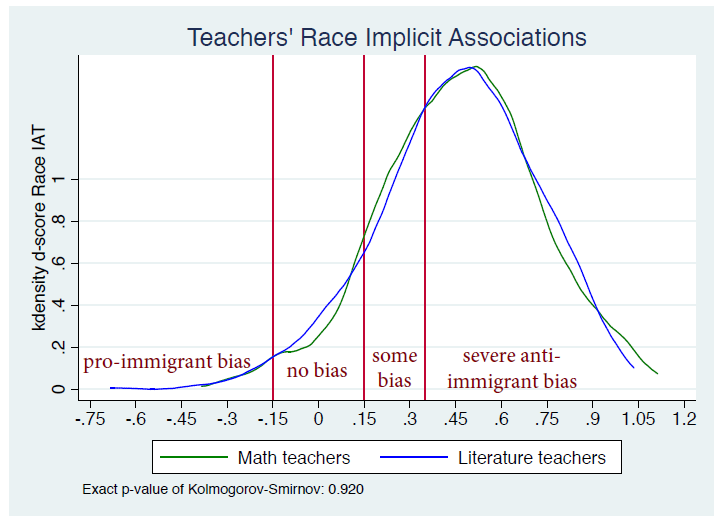
Figure 2: Distribution of raw IAT scores for Math and Literature teachers

Figure 2 shows the distribution of raw IAT scores for Math and Literature teachers. The study finds that over 67 percent of the teachers held at least some negative stereotypes against immigrants and that male teachers were more biased than female teachers.

When teachers were informed about their held stereotypes shortly before grading, they gave higher grades to immigrant students compared to teachers who received feedback after, as long as their prior bias was not too strong. This implies that these teachers were not aware of their biased behavior because once it was revealed to them, they corrected it.

Figure 3 shows that grade distributions shift in favor of immigrant students after teachers were informed about their bias.
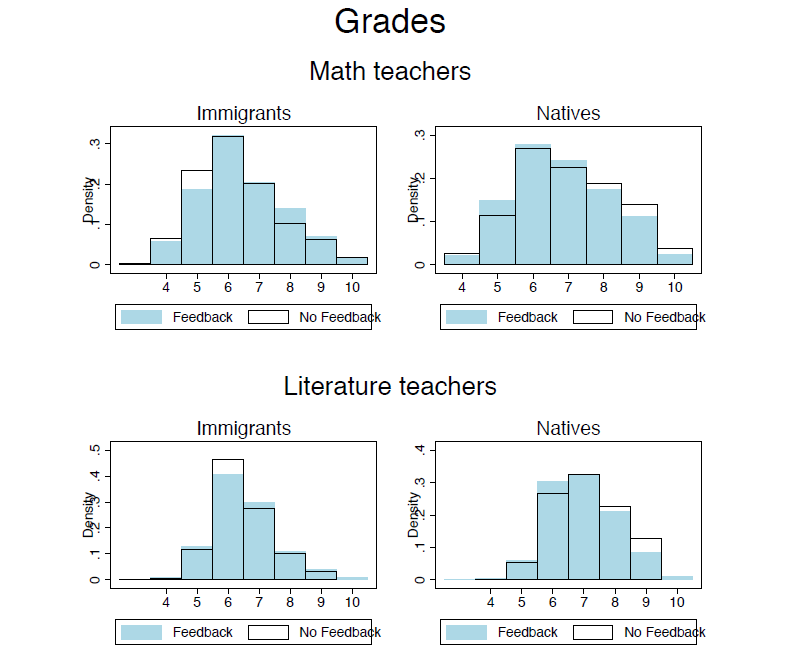
Figure 3: The impact of revealing bias to teachers on grading of immigrant and native students

The results suggest that informing individuals of their own stereotypes might be an effective way to reduce discrimination. In the context of schools, the IAT can be a cost-effective way to test for biases. If teachers were asked to take the IAT periodically, it might help them become more cautious of their implicit biases, the study concludes.

However, the authors also stress that the implications of such a policy are not straightforward. By making teachers aware of their ‘implicit’ biases, their evaluation of students becomes more fair if they were acting upon their stereotypes by giving lower grades to immigrants. But it is possible that teachers whose negative stereotypes do not translate into discriminatory behavior may also react, thus inducing positive discrimination toward immigrant children.
Filed Under: Research Tagged With: discrimination, education, immigrantion, Italy, school, stereotype, teaching

Telework increases employees’ stress levels

January 17, 2019 by Dajan Baischew

With the expansion of residential high-speed internet and new telecommunication tools, teleworking is no longer just for self-employed workers. According to the American Time Use Survey, the number of salary workers in the U.S. who regularly work from home more than doubled between 2005 and 2015. The reduced wage penalty for teleworkers, increased work-life balance conflicts, and rising female labor force participation add to this trend.

Homeworking comes with pro and cons. While some describe as an ideal that combines family life and work, others depict it as chaotic and stressful – just imagine your cat sitting on the laptop, your baby crying on the ground, and your dog biting the shoes. According to a recent IZA discussion paper by Younghwan Song and Jia Gao, the extra stress associated with working from home should not be underestimated.

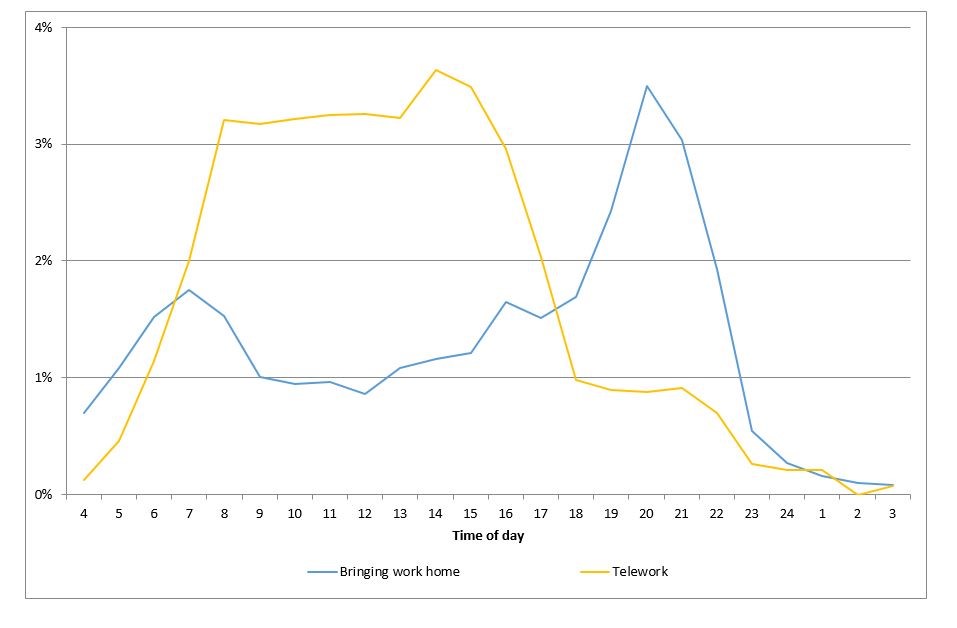
The authors emphasize the importance of distinguishing between telework (working at home without commuting to the office) and bringing unfinished work home from the office. As the figure below shows, telework mainly takes place during regular office hours on weekdays while office workers’ extra work at home peaks in the early mornings and late evenings.

Percentage of teleworkers and those bringing work home among all salary/wage workers who worked on the day on weekdays by time of day, 2016 ATUS

To evaluate the impact of these modes of teleworking on salary employees’ instantaneous subjective well-being, the authors analyzed the emotions felt by a sample of nearly 4,000 salary employees when they work from home. Since the negative effect of telecommuting may be overestimated if people who are more likely to work at home are also those who are more prone to feel tiredness and stress because of taking care of children or elderly, the study compares changes in work arrangements and well-being within the same person.

Decrease in subjective well-being

In general, the authors find that working at home is associated with a lower level of “net affect” (positive minus negative emotions) and a higher probability of having unpleasant feelings compared to office work. Although teleworkers feel less tired, probably because of the time and energy saved on commuting, they experience more stress, which may be due to increased conflicting demands of work and home, and the blending of personal and professional life.

Bringing work home on weekdays also results in a lower subjective well-being as it is associated with more stress and less happiness. The authors rule out longer working hours per se as an explanation but instead point at conflicts in the family about time arrangement between working hours, household chores, and leisure.

More support for homeworkers

Although the new study cannot resolve the whole debate on home-based work, it highlights the importance to differentiate formal telework from informal overtime work at home in evaluating homeworking. The results also underscore the need for employers to reconsider the potential well-being impacts of homeworking and rethink the benefits of telework for their employees.

To enhance life quality, the authors conclude that policymakers and employers should provide more support to homeworkers such as childcare, care for aging parents, suitable workspaces, and a social network that can sustain homeworking practices. All this would help homeworkers cope with the loneliness, stress, and work-family conflicts, and help them develop boundaries in time and space between the worlds of home and work while maintaining high levels of self-motivation.

Filed Under: Research Tagged With: happiness, home office, stress, subjective well-being, telework, work-life balance

Stalled progress of women in economics

January 4, 2019 by Peter Drahn

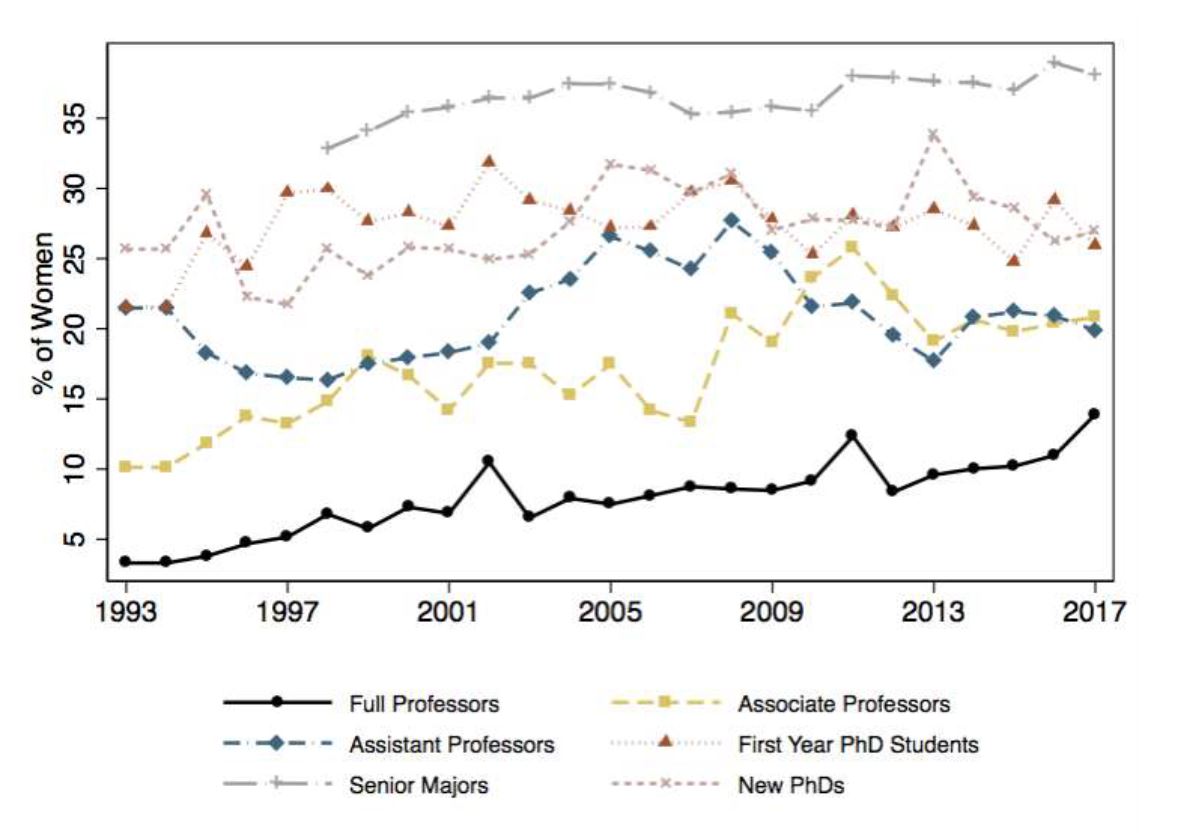
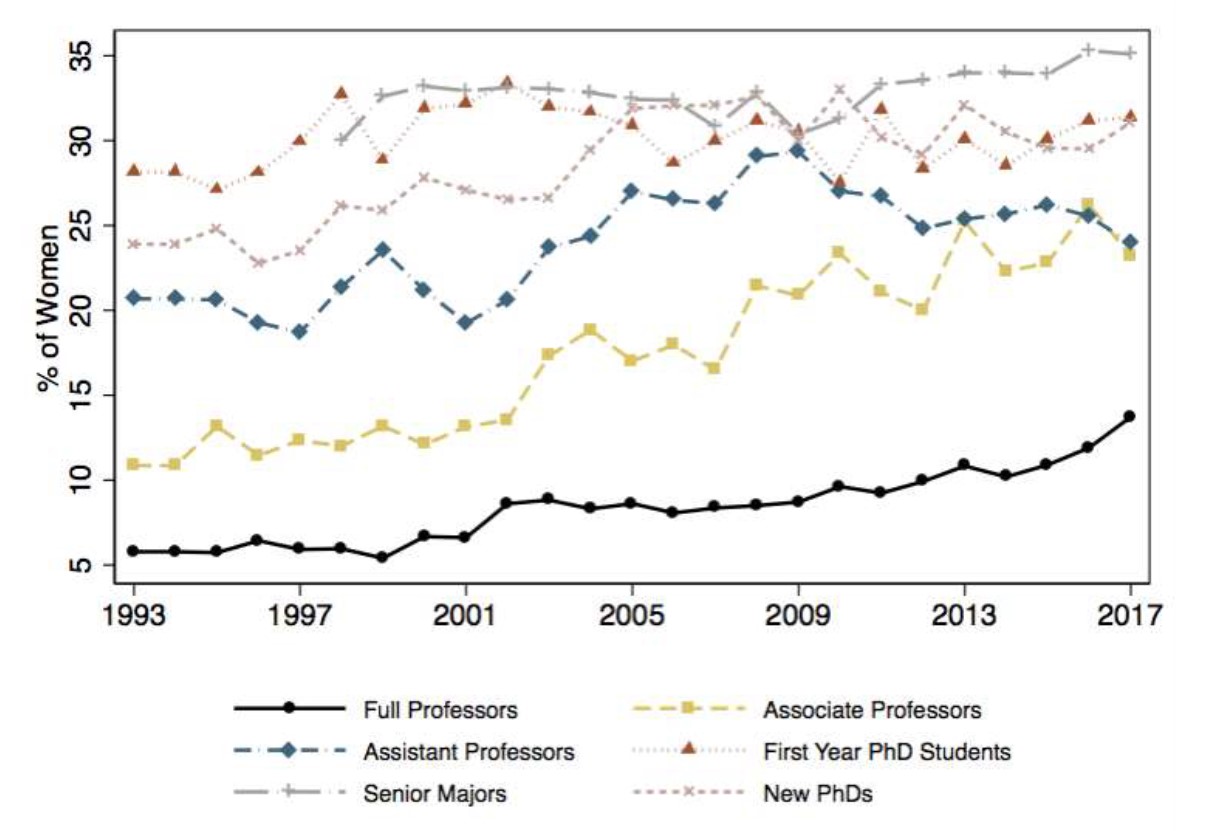
Following the considerable growth in women’s representation among economics students and faculty during the 1970s and 1980s, progress has leveled off in the last two decades. A new IZA discussion paper by Shelly Lundberg and Jenna Stearns documents trends in the gender composition of academic economists over the past 25 years, the extent to which these trends encompass the most elite departments, and how women’s representation across fields of study within economics has changed.

Representation of women in “Chairman’s Group” economics departments, 1993-2017

Substantial progress was made during the 1970s and 1980s in the representation of female faculty within the 43 economics departments at U.S. universities known as the Chairman’s Group – a set of highly-ranked departments for which the faculty and graduate student gender composition can be tracked over a 45-year period. In 1972, women accounted for only 2 percent of full professors, 4 percent of associate professors, and 9 percent of assistant professors. In 1993, the fraction of full professors who were female had tripled to 6 percent, 11 percent of associate professors were women, and the female share of assistant professors had more than doubled to 21 percent.

Declining female share at the junior faculty level

However, between 1993 and 2017, the proportion of senior female faculty grew at a much slower pace. Among full professors, the female share increased from 6 percent to more than 13 percent, and among associate professors, from 11 to 23 percent. For assistant professors, the share of women increased from 20 percent in 1993 to 29 percent in 2009, but dropped again to 24 percent in 2017.

Representation of women in the Top-20 economics departments, 1993-2017

In the departments rated in the top 20 by US News and World Report, the representation of women among full professors was only 3 percent in 1993, grew slowly to 10 percent in recent years, and then rose to nearly 14 percent in 2017. The female fraction of associate professors, increased from 10 percent to as high as 26 percent in 2011, but has declined in recent years to about 20 percent. Female representation among assistant professors stood at about 21 percent in 1993, reached a peak of 27.6 percent in 2008, and has since fallen back to 20 percent, meaning that no net progress has been made at the junior faculty level in top 20 departments over the past 24 years.

More progress in other disciplines

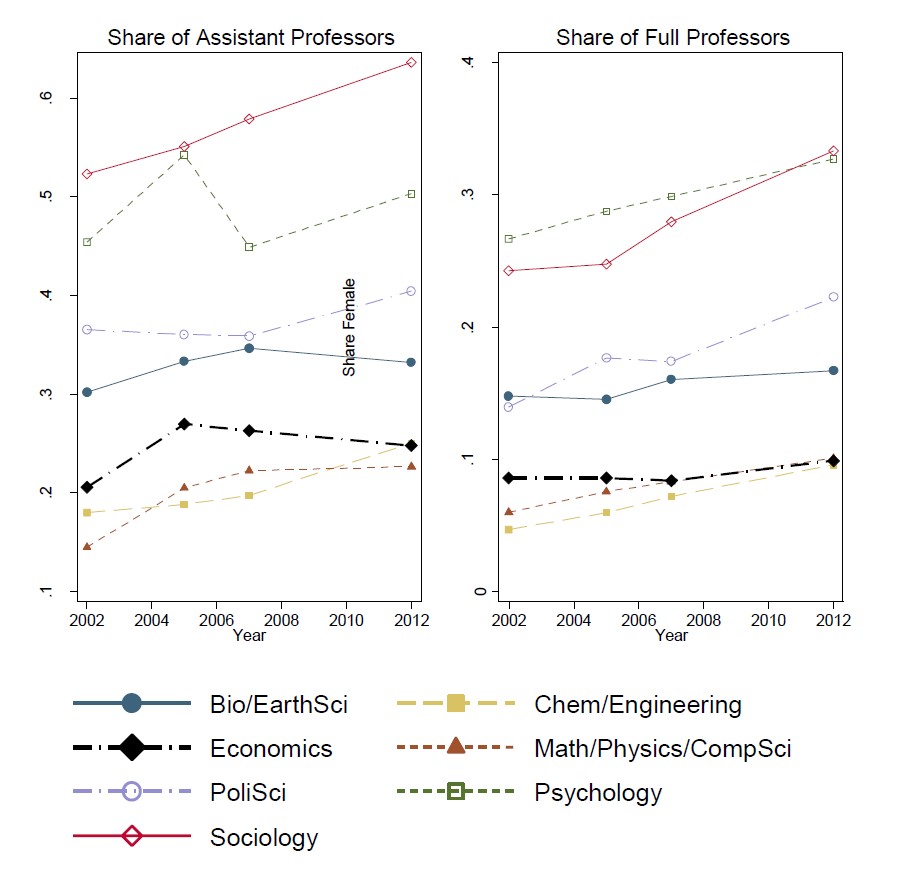
Representation of women in the Top-50 departments, 2002-2012

Evidently, economics has made less headway than the science, technology, engineering and mathematics fields in terms of increasing the share of female undergraduate majors and PhD recipients, which will make it even more difficult to close the faculty gender gap in economics going forward. Furthermore, common explanations for female academic disadvantage, such as heavier domestic responsibilities and an aversion to math intensity, fail to explain why economics is falling behind these other fields in terms of female persistence and promotion probabilities. What can explain the unique challenges that women seem to face in economics?

Toxic environment in male-dominated fields

An adversarial and aggressive culture within academic economics is often advanced as a causal force in women’s stalled progress in the profession, though its impact is difficult to quantify. Economics seminars, for example, have a reputation for being particularly hostile environments. The culture of an academic discipline can have gendered implications if women either fail to fully adapt to the culture or if they receive differential treatment as a result of it.

Female economists appear to be less likely to engage in practices that are positively correlated with professional success, suggesting an inability or unwillingness to adapt to professional norms. For example, male academics self-cite more than female academics in many fields, but the male-to-female self-cite ratio is twice as high and more persistent in economics. Applied economics fields attract a higher proportion of women, but this work is still seen by some as less rigorous or less important than traditionally male-dominated topics. Anecdotal evidence suggests that women may choose to go into less male-dominated fields or leave academia altogether based on early experiences with toxic environments that men are more likely to tolerate.

Harassment and disrespect

It is obviously difficult to obtain quantitative estimates of the extent of outright harassment of women in economics. There are many reports of women in economics experiencing inappropriate behavior in job interviews, seminars, meetings, and at conferences. In addition, the language used to describe female economists on at least one anonymous online forum is often sexual and derogatory, in a way that it is not for men.

Recent evidence suggests that gender harassment is a problem in academics more broadly. Such behavior is often normalized and tolerated in male-dominated settings, making it difficult to change. Thus, the National Academies of Sciences offer several evidence based recommendations to address harassment in the university setting that may be directly relevant to economics. In particular, they advise reducing the importance of hierarchical relationships and implementing “power-diffusion” mechanisms such as mentoring networks. They also argue that taking explicit actions to achieve greater gender equity in the hiring and promotion process is an essential step in creating a diverse and respectful environment.

Disparate assessment of men and women

The evidence summarized by Lundberg and Stearns suggests two primary mechanisms through which the barriers against women in economics may operate: differences in productivity between men and women, and differences in how they are evaluated. Women may be on average less productive than men due to childbearing and other family responsibilities, a higher propensity to engage in service activities instead of research, or differences in the type of research in which they choose to invest their time. The distinct experiences of men and women in the profession may also contribute to productivity gaps that arise as a result of differences in collaborative networks, access to mentors, and gender harassment.

But gender gaps conditional on productivity are also larger in economics than in other academic disciplines, suggesting that a second factor explaining female disadvantage in economics may be disparate assessment of men and women. Equal-ability women appear to be held to higher standards than men, and need to publish more, higher quality work to achieve equal levels of success in this profession.

Gender gap in beliefs on equal opportunity

The study concludes that continued progress toward equality in academic economics will require a widespread awareness that these barriers exist, accompanied by a concerted effort to remove opportunities for bias in the hiring and promotion process. However, first steps have been slow in coming. A 2008 survey of AEA members found, in addition to substantial differences in the policy views of male and female economists, a meaningful gender gap in their beliefs on equal opportunity in the profession. While 76 percent of female AEA members believed that opportunities for economics faculty in the US favor men, fewer than 20 percent of men shared the same view. In fact, one-third of male economists felt that opportunities in economics actually favor women. To the extent that such beliefs persist, they are a major obstacle to the development of new diversity initiatives.

According to the authors, diversifying the economics profession is important, because a greater breadth of individual perspectives will affect what is taught in the classroom, what research questions are asked, and how policy discussions are addressed. In addition, to the extent that women’s stalled progress in economics is the result of discrimination or biased assessment, as recent evidence suggests, continued action to remove these barriers can be justified both on the basis of simple fairness and also on the benefits of creating an environment where equal work yields equal rewards.

Filed Under: Research Tagged With: academics, career, economics, equal opportunity, gender discrimination, harassment

Graduates from EU countries more likely to leave UK because of Brexit

January 3, 2019 by Peter Drahn

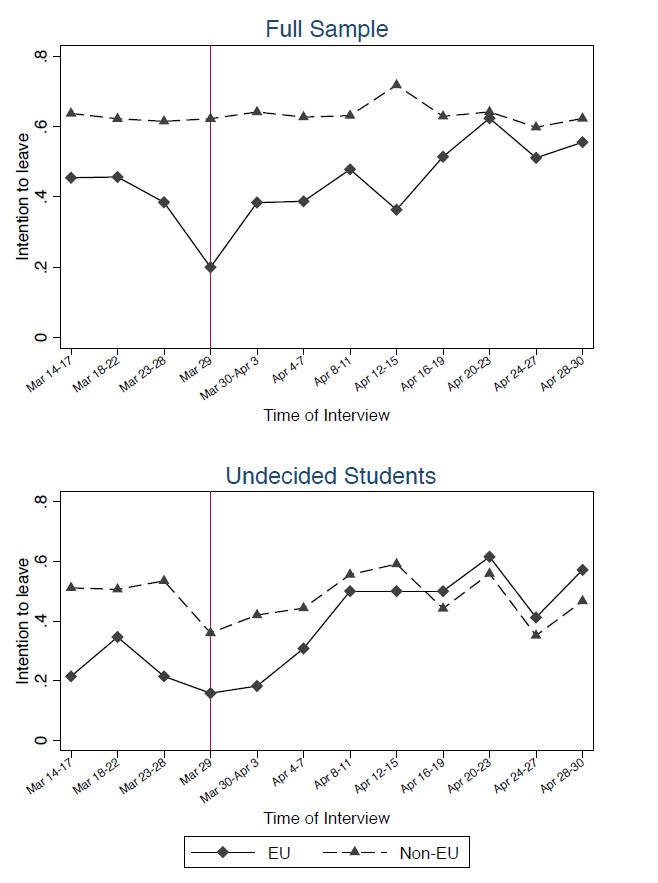
Faced with the British exit from the EU, students from EU member states are significantly more likely than non-EU students to plan on leaving the UK upon graduation. This is the key finding of a new IZA discussion paper by Jane Falkingham, Corrado Giulietti, Jackline Wahba, and Chuhong Wang.

Exploiting the British government’s formal withdrawal notification under Article 50 as a quasi-natural experiment, the economists from the University of Southampton analyzed the Brexit effect on settlement intentions among international graduating students. EU students were considered as the “treatment group” because Brexit is likely to substantially affect their prospects, while it virtually has no effect on international students from other areas, who were therefore regarded as a “control group”.

The results, based on data from the Survey of Graduating International Students, show a direct impact of the Brexit announcement on return intentions of EU students. The effect is especially driven by students from the new EU countries and students from the EU14 countries who are undecided of their migration plans (see figure).

A follow-up survey suggests that the main reasons for the decrease in attractiveness of the UK as a place to live are expectations of a less welcoming climate, a potentially complex visa process and worse employment opportunities in the UK labor market after Brexit.

“If the UK aims to continue to attract the best and the brightest, reducing uncertainty both in terms of rights but also economic prospects is vital,” the authors write. They also point at implications for other European countries where politicians voice support for their own national referendums inspired by Brexit.

Filed Under: Research Tagged With: Brexit, European Union, graduates, migration, United Kingdom

What hides behind the German labor market miracle?

December 19, 2018 by Dajan Baischew

A key question in labor market research is how the unemployment insurance system affects unemployment rates and labor market dynamics. A new IZA Discussion Paper by Benjamin Hartung, Philip Jung and Moritz Kuhn revisits this old question studying the German Hartz reforms. The study traces the German labor market miracle back to the reform of the German unemployment insurance system that took place in the mid-2000s and abolished long-term, wage-dependent unemployment benefits.

The analysis highlights changes in separation rates after the unemployment benefit reform as the quantitatively important channel through which the unemployment insurance system affects unemployment rates and labor market dynamics.

The results show that a decrease in separation rates after the reform explains 76% of declining unemployment. Existing studies on the German labor market miracle leave this empirical fact unexplained by focusing on changes in job finding rates. The reduction in separation rates is heterogeneous, with long-term employed, high-wage workers being most affected.

Unemployment would be 50% higher without Hartz IV

The authors use economic theory to causally link the empirical findings to the abolition of long-term, wage-dependent unemployment benefits that was implemented by the Hartz reforms. Using a quantitative labor market model, they find that absent the reform, unemployment rates would be 50% higher today. In this case, German unemployment would have developed similar to labor market trends in Austria.

With respect to the welfare consequences of the labor market reforms, the study shows that long-term employed high-wage workers suffered substantial welfare losses in the absence of compensating transfers. This worker group accounts for almost two-thirds of the German workforce. The separation rates of these workers are the lowest in the labor market, and it might therefore appear as if these workers are very detached from any changes in the unemployment insurance system. However, the paper shows that this is not the case and that, in hindsight, their welfare losses might explain the discontent of a large part of the German electorate with these reforms.

Read a more detailed summary with charts in German.

Filed Under: Opinion, Research Tagged With: Germany, Hartz reforms, labor market reforms, unemployment, unemployment insurance

The platform economy in Germany

December 18, 2018 by Mark Fallak

The emergence of the gig or platform economy is one of the hottest topics in the context of digitalization and the future of work. While it is often regarded as an opportunity for people to enter the labor force, or to work more independently from daily routines, “crowdwork” and other forms of platform labor are also associated with the strategic circumvention of existing labor laws and the misuse of social security systems.

A new IZA Research Report provides an overview on recent trends in the platform economy in Germany, with a special focus on its challenges for social dialogue institutions. The report concludes a two-year research project “IRSDACE – Industrial Relations and Social Dialogue in the Age of Collaborative Economy” covering seven EU member states. Funded by the European Commission – DG Employment the research was carried out by:

  • CEPS – Center for European Policy Studies, Brussels, Belgium (project lead)
  • CELSI – Central European Labour Studies Institute, Bratislava, Slovakia
  • FA – Fundacion Alternativas, Madrid, Spain
  • FAOS – University Copenhagen, Copenhagen, Denmark
  • IZA – Institute of Labor Economics, Bonn, Germany

The rapidly mutating platform economy in Germany (and elsewhere) was initially driven by firms created by young, highly skilled entrepreneurs with a strong affinity for technology but often little intimate knowledge of the markets they entered. This might explain a large part of the initial frictions with social partners. Along with German trade unions beginning to address the new target group of crowdworkers, some platform owners started to organize employer federations and committed themselves to minimum labor standards (code of conduct) while others still neglect regulation as they view their firms merely as a technological service “platform” to match demand and supply.

From a policy perspective, there are strong calls for stricter regulation to avoid precarious employment and give crowdworkers access to regular social security. Reliable data is scarce, however, which makes it difficult to assess the actual scope of platform work and creates some uncertainty about its future development.

Invited by IZA, representatives from academic science, trade unions, and platform owners discussed their insights during a workshop in Bonn. In line with the conclusion of the IZA Research Report, it was argued that the relatively small size and importance of the platform economy in Germany may be due to robust labor market conditions and a tight regulatory environment. However, the experts also agreed that it is still too early to predict the future of the platform economy.

Filed Under: IZA News, Research Tagged With: crowdwork, digitalization, gig, platform economy, social dialogue

Are professors good teachers?

December 14, 2018 by Dajan Baischew

Among instructors in academia, professors are at the top of the pecking order. They often earn more than other, lower-ranked, instructors. When it comes to teaching, many students believe that professors are more knowledgeable than other academic staff. But do professors also teach better than their lower-ranked colleagues? Are they actually better at preparing students for the challenges of today’s labor market?

A new IZA discussion paper by Jan Feld, Nicolás Salamanca and Ulf Zölitz studies these questions and reveals that professors are no whit better than other instructors when it comes to tutorial teaching. The authors use data from a Dutch business school where students were randomly assigned to instructors. They find that students taught by professors instead of graduate students, for example, neither achieve better grades nor do they perform better in related consecutive courses. Also, after graduation, these students do not earn higher wages and are not more satisfied with their jobs.

Given the current debate about lowering the cost of post-secondary education, we wanted to know more and spoke with Ulf Zölitz, assistant professor at the University of Zurich and co-author of the study:

Why does it matter whether professors are good tutorial instructors?

Ulf Zölitz: In many universities, tutorials – also called exercise, lab or TA sessions – are taught by students and professors. This seems crazy – professors and students doing the same job? We looked at tutorials taught by students and professors and did not notice a huge difference. But it would be surprising if the vast difference in qualification and experience didn’t matter at all. We therefore wanted to find out about the costs and benefits of different instructor types.

What’s new about your study? Hasn’t this topic been researched before?

Surprisingly, no. Tutorial teaching has been mostly ignored by other researchers, who focus more on effectiveness in giving lectures. This is especially surprising since, by our calculations, over 60 percent of universities in OECD countries use tutorials at the undergraduate or graduate level, and over half of those universities use a mixture of low- and high-ranked instructors. Another contribution of our paper is that we study a broad range of student outcomes in university and the labor market. We do not only look at course performance, but also study students’ subsequent grades in related courses, student course evaluations, earnings and job satisfaction. We only find that professors get slightly better course evaluations. But other than the tiny impact on course evaluations, we find there’s no good reason to staff tutorials with professors.

This seems to suggest that professors are not ‘worth’ the higher salaries they receive for tutorial teaching. Is your paper bad news for your colleagues in the profession?

Not at all. We actually believe our finding is good news! Our results suggest that universities around the world have a huge potential to free up professors’ time by assigning more students to teach tutorials. Professors could then focus on what they do best and, for example, spend more time on research.

Lower teaching load, more time for research – a conclusion many of your colleagues will certainly endorse… Thanks for the interview!

Filed Under: Research Tagged With: education, professors, teaching, university

Steering more students into STEM?

December 10, 2018 by Mark Fallak

As the price of college continues to rise alongside falling state support for public institutions of higher education, students and families bear a growing share of the costs of college. Concerns about the affordability of higher education have led to calls for creative thinking about ways to temper rising costs. However, at the same time, demand for increased training in STEM fields and policies that push students toward such fields abound.

Instruction represents a key category of expenditure at most institutions. Thus, efforts to contain costs must thoughtfully attend to instruction. However, detailed information on instructional costs has been historically difficult to obtain, especially across disciplines. Discipline-specific costs have implications for policies such as differential tuition, budget allocation models, and initiatives that encourage students toward certain fields.

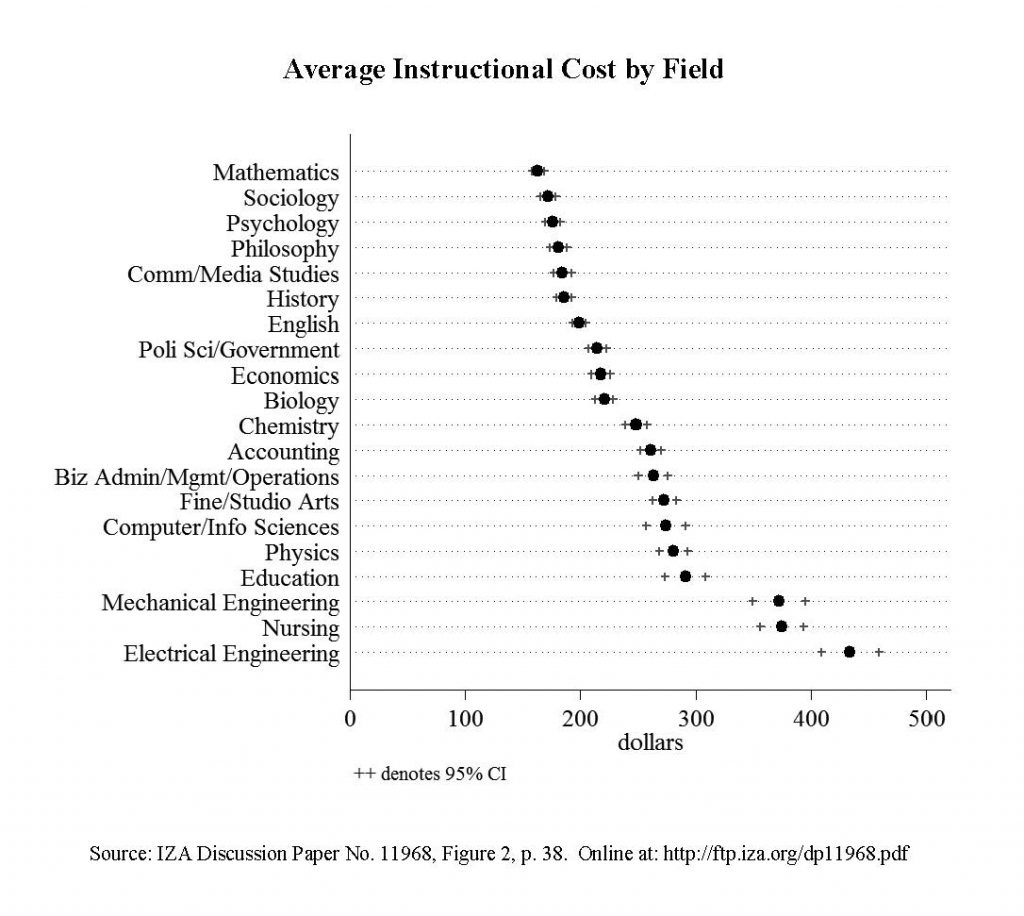
A new IZA discussion paper by Steven Hemelt, Kevin Stange, Fernando Furquim, Andew Simon, and John Sawyer provides the most comprehensive overview of the costs associated with teaching across 20 fields based on a large and diverse sample of four-year colleges and universities from the Delaware Cost Study. The results show that the cost of a unit of instruction differs markedly by discipline.

A student credit hour of electrical engineering, for example, costs twice as much as a credit hour of English. At the other extreme, math is about 22 percent cheaper per credit hour than English. In general, pre-professional fields like business and accounting, along with fields that typically command higher earnings like engineering and nursing, are more costly to teach than the social sciences and humanities.

What explains this variation in costs across fields?

The authors partition differences in instructional costs into four drivers: faculty salaries, faculty workload, class sizes, and non-salary expenses (e.g., lab and equipment costs). Differences in class sizes and faculty salaries tend to explain the bulk of differences in costs across fields. For example, though average salaries are higher for economics faculty than English faculty, class sizes in economics are substantially larger than in English, resulting in costs of instruction per credit hour that are slightly lower in economics than English. Business and accounting faculty also earn more relative to English, but the larger class sizes in these fields only partially offset those differences in pay. Faculty workload and non-personnel expenses generally play minor roles in explaining cost differences across fields.

The paper also shows that marginal costs vary widely across fields and are meaningfully shaped by whether a department offers graduate programs. For example, electrical engineering has the highest marginal cost, in addition to the highest average cost. Documenting differences in relative marginal costs helps to assess possible benefits of initiatives like differential pricing and the cost implications of increasing demand for STEM education.

What can we learn about trends in instructional costs over time?

In contrast to the narrative of soaring prices, inflation-adjusted instructional costs have remained relatively flat over the past decade and a half. However, this average trend obscures variation by field. Costs for many STEM fields like mechanical engineering, chemistry, biology, and nursing declined over the period, as class sizes and faculty teaching loads increased, and as contingent faculty, who are paid less, became more prevalent. Costs increased for many fields in the social sciences and for pre-professional programs, reflecting reductions in class size and higher salaries (most pronounced for accounting, economics, and business faculty).

The adoption of online education has commanded sustained interest from policymakers and institutional leaders as a cost-saving innovation. However, the authors find that the take-up of online education remains relatively low; only about half of programs offer any online instruction. Nursing is the field with the highest rate of online instruction, but even among nursing programs online education accounts for 15% of instruction in undergraduate programs, and 35% at the graduate level. The authors find little evidence that online education lowers average costs of instruction, though results suggest that programs that are substantially online may experience lower costs.

Filed Under: Research Tagged With: disciplines, education, engineering, faculty, math, STEM, students, tuition, university

Blind hiring is curbing biased decisions — using algorithms and AI

December 7, 2018 by Mark Fallak

“If you’ve got the grades, the skills and the determination, this government will ensure that you can succeed.” These were the words of then Prime Minister David Cameron in October 2015 in light of recent findings on biased recruitment decisions. In many instances, job applicants are — consciously or unconsciously — judged on the basis of prejudices and stereotypes rather than solely in terms of their qualifications, talent and experience.

For example, a different name alone can dramatically decrease the chances of being invited to a job interview. In the United States, a pioneering study found that the callback rate for a job interview was nearly 50% higher for applicants with “white” names (Emily Walsh and Greg Baker) than for otherwise similar persons with African-American names (Lakisha Washington and Jamal Jones).

Callback rates nearly 50% higher for applicants with “white” names

Similarly, evidence from Sweden finds 50% more callbacks using a Swedish name than a Middle Eastern name when sending out otherwise equal applications to real job offers.

Application photos can aggravate the problem. When résumés of the same fictitious female character, differing solely in her name and application photo, were sent out in Germany, callback rates were strikingly different. In this study, the character’s first version with a German name (Sandra Bauer) had a callback rate of 18.8%, its second version with a Turkish name (Meryem Öztürk) a callback rate of 13.5%, and its third version with the same Turkish name, but additionally wearing a headscarf on the photo, a very low callback rate of just 4.2%.

Hiring discrimination on the basis of race, gender, age, sexual orientation or religion is thus well documented. This is not only unfair and costly for the victims, but it also has substantial economic costs for society. So what if the key information categorising individuals into minority groups was removed from the application?

Leading graduate employers in the UK committed to name-blind hiring

As a response to Cameron’s speech in 2015, leading graduate employers responsible for 1.8 million jobs in the UK committed to name blind hiring. Most recently, the Bank of England implemented anonymous applications to minimise the bias in recruitment and to boost diversity. But blind hiring has also begun to go global. To isolate the effects of anonymous job applications, field studies have been conducted in Europe, Canada and Australia.

While, intuitively, blind hiring processes should lead to more objective decisions, they are not a universal remedy against all forms of discrimination in the labour market. For example, biased decisions can still be taken when applicants and recruiters physically meet, that is, in the interview stage. In that case, discrimination would simply be postponed. Often, it is also the case that the scope for removing identifying information is limited. For instance, episodes of maternity leave indicate the applicant’s gender, while bilingual applicants can be easily assumed to have some form of immigration history.

A suboptimal method of de-identifying application documents can also result in high costs — not only monetary, but also resulting in time-consuming, labour-intensive and error-prone procedures.

However, pilot projects show that when using an efficient method of de-identifying application documents, blind hiring can be successful in terms of effectively reducing discrimination. As expected, in most studies callback rates between minority and majority groups converge when anonymous job applications are introduced. The resulting effect, however, depends on the extent of discrimination prior to the introduction of anonymous applications. Affirmative action also becomes harder to implement.

Innovative recruitment processes

Nowadays, more and more employers try to overcome prejudices and biases by relying on innovative recruitment processes. And new possibilities are becoming available. For example, GapJumpers, a Silicon Valley start-up, offers employers anonymous screening of job applicants. The idea is to reverse conventional hiring. Before submitting any documents or personal information, applicants take custom-tailored anonymous tests that take the specific job requirements into account. And just with the resulting test scores at hand, hiring firms decide whom to invite for interview.

This is just one example how to take advantage of technological progress to combat hiring discrimination. In the future, digital recruitment methods may even become standard. For example, LinkedIn has just announced to use artificial intelligence features in the hiring process. And unless human programmers insert prejudices and stereotypes in the underlying algorithms, there is hope for objective recruitment decisions.

—
Editor’s note: This op-ed by Ulf Rinne previously appeared on Apolitical, an online platform that connects public servants to the ideas, people and partners they need to solve society’s hardest challenges.

Filed Under: Research Tagged With: anonymous job applications, artificial intelligence, bias, blind hiring, discrimination

Wheelchair users face considerable discrimination in the labor market

December 3, 2018 by Peter Drahn

Despite wage subsidies and various other government programs that provide incentives for firms to hire workers with disabilities, this group is still disadvantaged in the labor market. An IZA discussion paper by Canadian researchers Charles Bellemare, Marion Goussé, Guy Lacroix and Steeve Marchand investigates the determinants and extent of labor market discrimination toward people with physical disabilities using a large-scale field experiment.

In the urban regions of Montreal and Quebec City, applications were randomly sent to 1477 private firms advertising open positions. The authors targeted positions for which paraplegia is not considered to affect productivity, such as receptionists, secretaries, computer programmers and accounting clerks.

The study finds that average callback rates of disabled and non-disabled applicants are 14.4% and 7.2%, respectively, which implies that disability reduces callback rates by 50%. Interestingly, no discrimination was detected for computer programmers, the most highly skilled position covered by the experimental design.

The differential does not result from accessibility constraints related to firm infrastructures. The study also shows that mentioning eligibility to a government subsidy to cover the cost of workplace adaptation does not increase callback rates. The authors estimate that a lower bound of the proportion of discriminating firms is 49.7%.

Filed Under: Research Tagged With: disability, field experiment, job applications, labor market discrimination, persons with disabilities

  • Previous Page
  • Page 1
  • …
  • Page 25
  • Page 26
  • Page 27
  • Page 28
  • Page 29
  • …
  • Page 69
  • Next Page

Primary Sidebar

© 2013–2025 Deutsche Post STIFTUNGImprint | Privacy PolicyIZA