In her contribution to the second international Human Dignity and Human Development Conference hosted by the University of Notre Dame’s Kellogg Institute for International Studies, IZA Research Asssociate Milena Nikolova related human dignity to subjective well-being measures in the context of development.
 “From subjective well-being research, we learn how to operationalize normative concepts like dignity, develop relevant measures, and use the information to better understand human experience,” she said.
At the conference, development practitioners and scholars examined the implications of human dignity for development theory and practice, considering whether human dignity can serve as a common connector among predominant development frameworks, including the capability, well-being, and happiness approaches.
“Approaching human development from the perspective of human dignity serves as a locus across differences that might otherwise be intractable in the global environment,” said Kellogg Institute Director and legal scholar Paolo Carozza, who leads the initiative.
The conference is part of a multi-year research initiative investigating the role of human dignity in the practice of international development. [read more]
 coined by David Brooks (2000) in a famous book about the rise of a new knowledge elite. This new kind of bourgeoisie is generally considered as prevalent in globalized capital cities, and its lifestyle and political attitude stands in contrast to that of the traditional bourgeoisie. While bobos are likewise a politically powerful group, they generally support environmentalists and socialist parties. They have been instrumental in bringing about left-wing governments in municipalities such as Berlin, Paris or San Francisco, despite the relatively high economic status of this social class. The political consequences of the bobo takeover are recognizably different from the ones implemented both by the right and by the traditional left. They focus on:
 For instance, it has been shown that more patient adults perform better at work and stay in their job longer; they have lower credit card debt and are less likely to smoke. For teenagers, a positive relation between patience and school performance or a healthy lifestyle has also been documented. Even more impressive, long-term studies have shown that a child’s degree of patience is positively related to long-term outcomes in adulthood, such as higher education, higher income, better health status (by being less likely obese, drinking or smoking) or lower crime rates.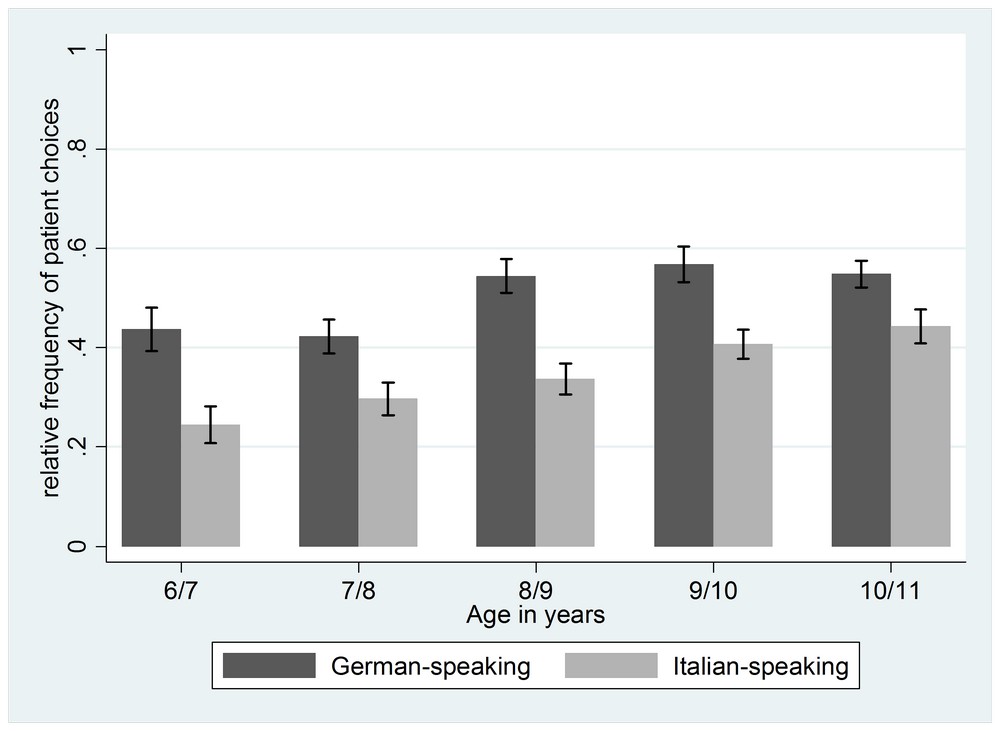
 Fulfilling one of the
 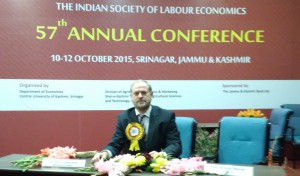 On October 10, 2015, IZA Director Klaus F. Zimmermann devoted his keynote speech at the
  into Europe, the largest since World War II, have made these scenes reality in many European neighborhoods. Feelings of empathy and shock are increasingly joined by worries about the consequences the refugee crisis will have on society, welfare institutions and labor markets. In the EU these worries drive public opinion and political action, causing closings of Schengen borders and the resistance against a fair allocation of refugees among EU member states.
 Attention deficit hyperactivity disorder (ADHD) is one of the most common diagnoses of behavioral problems among school-aged children. ADHD diagnoses remain controversial since they are perceived as stigmatizing, and drug-based therapies may be accompanied by severe side effects.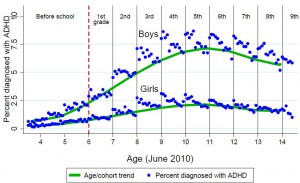
 Today marks the 25th anniversary of German reunification. The signing of the German unification treaty had set in stone what Germans had not expected, but long desired: the unity of the German people. At the time, former German Chancellor Willy Brandt marked the iconic words: “Now what belongs together will grow together”. For this statement to become true, Germany had to make unprecedented efforts with regards to institutional, economic and societal unification. Especially in East Germany, the transition from a socialist planned economy to a free market economy had profound implications for the labor market and affected every aspect of life. Over the last ten years, the IZA has accompanied this process with various economic studies. One of the most recent contributions is a study by
  Designated zones for street prostitution have reduce crime in the Netherlands. Data from 1994-2011 for Dutch cities show a decrease in registered sexual abuse and rape by up to 40% in the first two years after introduction of prostitution zones. While perceived crime also dropped, positive long-term effects are only reported for prostitution zones that included a licensing system. These are the findings of an IZA paper by Paul Bisschop,
  Unemployment in Europe, particularly among young people, has risen dramatically during the Great Recession. This has put a lot of pressure on job center employees and their clients, with instances of