 Economic theory provides ambiguous predictions about the effect of wage increases on the allocation of time between leisure and work. On the one hand, a wage increase makes the individual richer, lowering the preferred hours of work. On the other hand, higher wages raise the opportunity cost of not working (the money one could have earned instead of spending time for leisure), pushing up the preferred number of working hours.
Empirically, it is tricky to evaluate how and to what extent changes in the wage affect labor force participation. One of the main problems is that wage increases do not appear out of thin air, but are paid for being more productive. That makes it difficult to distinguish between the effects of higher wages and higher productivity.
In a recent IZA discussion paper, Matteo Picchio (Marche Polytechnic University), Sigrid Suetens (Tilburg University) and Jan van Ours (Tilburg University) use a very special kind of windfall money to disentangle the effect of higher income on labor supply: the unique case of lottery winners.
Lottery data are matched to administrative data on jobs
Lottery prizes have the advantage that, in contrast to wage increases, they are unexpected and unrelated to productivity changes of the winners. Since the size of the lottery prizes is determined by a random draw, they are as close as one can get to an unforeseen, potentially substantial, increase in permanent income.
For the purpose of the study, lottery data from lottery players who were subscribed to participate in the Dutch State Lottery between 2005 and 2008 was matched by Statistics Netherlands to two administrative datasets: the Municipal Personal Records Database, containing demographic, family, and residence information and the Social Statistical Database of Jobs, containing information on salaried jobs. Merging these different datasets allowed the researchers to track lottery winners over a number of years and study their labor supply responses in terms of employment and earnings.
Winning money affects time spent working, but not probability of working
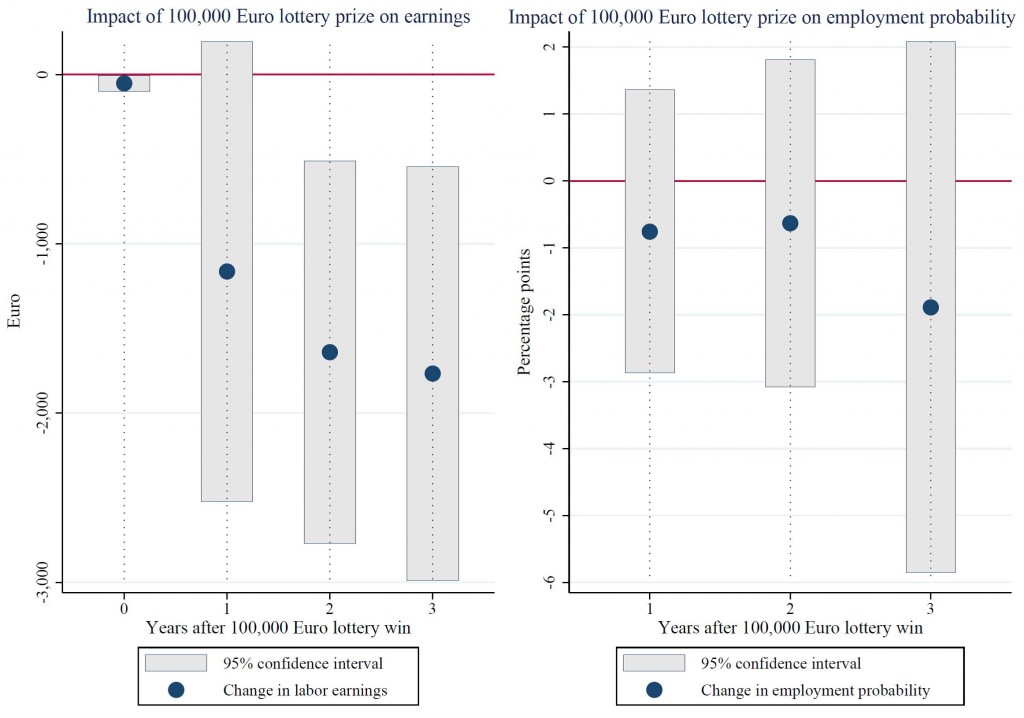
The figure below displays the effects of a €100,000 lottery prize on labor earnings and employment probabilities. If an employee wins €100,000, earnings go down by an amount of €50 in the same year. In later years, the effect is larger, possibly because it takes some time for employees to organize their ‘new’ working hours. In the first year after winning a lottery prize of €100,000, earnings go down by an amount of €1,160. Two years later this is €1,640 and after three years it is €1,770. The effect thus seems to persist over time.
The authors do not find significant effects of lottery prizes on the probability of being employed per se. The results suggest that winning a large prize induces workers to work fewer hours but does not lead them to withdraw completely from the labor market. In the last part of the study, the authors show that these results are driven by young, single individuals without children.
 The effects of the minimum wage on youth employment flows are at the focal point of the current policy debate in the Netherlands. A specific feature of the Dutch minimum wage system is that the youth minimum wage rate is increasing with a worker’s calendar age. Workers become eligible for the minimum wage on their 15th birthdays, being paid approximately 30% of the adult minimum wage rate. The applicable rate increases each year, until the adult level is attained at the age of 23.
 Traffic congestion keeps rising. In 2014, the
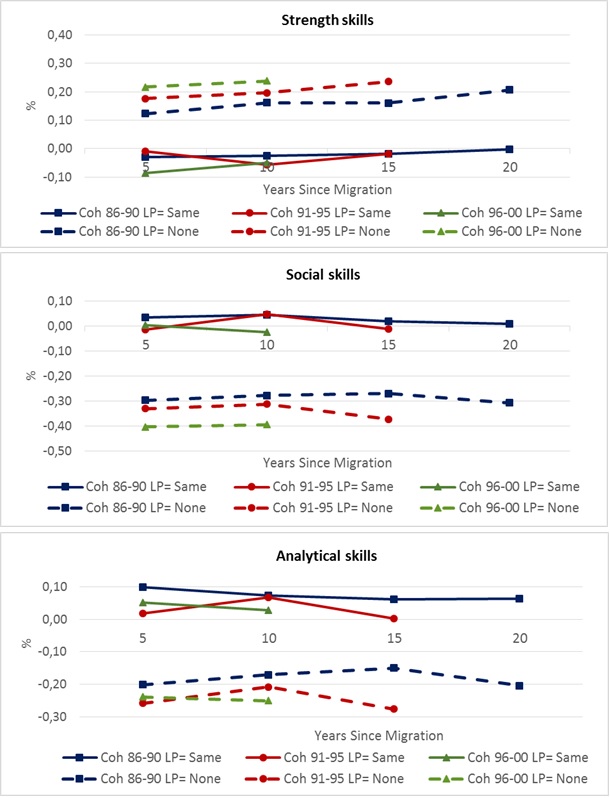
  With the current increase of global mobility, immigration policy has jumped to the forefront of the political agenda. Immigration can play a central role in boosting economic growth and demographic sustainability of a destination country, but it is often feared as a potential burden to the welfare system and as a strain on social cohesion.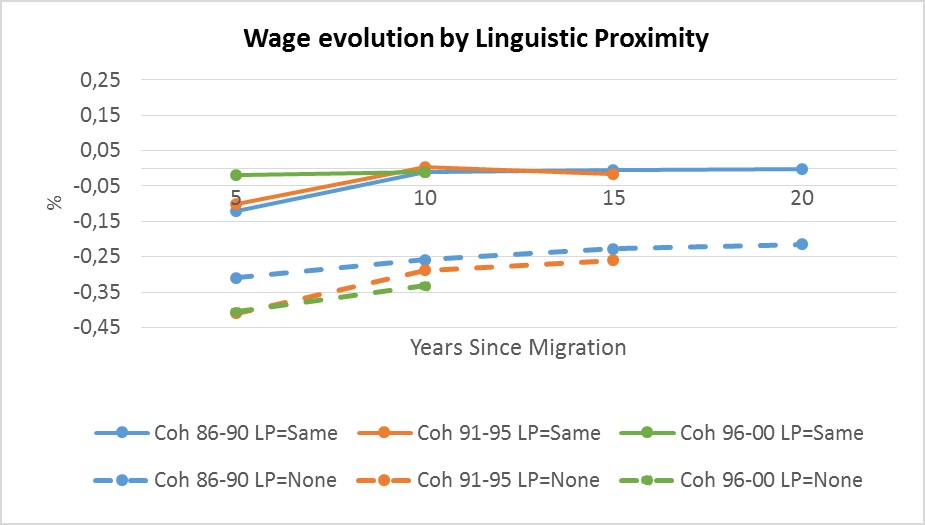
 Parents, teachers and policymakers alike are concerned with adolescents engaging in risky practices, such as drug abuse, unprotected sex, or all kinds of delinquent behaviors (stealing, fighting, etc.). Adolescents are often motivated by short-term benefits while potentially not foreseeing associated detrimental effects on educational achievement, health and career outcomes. Peer pressure has long been discussed in the social sciences literature as one of the main drivers behind teenage risky behaviors, though knowledge behind specific mechanisms relating peer characteristics to individual behavior remains incomplete.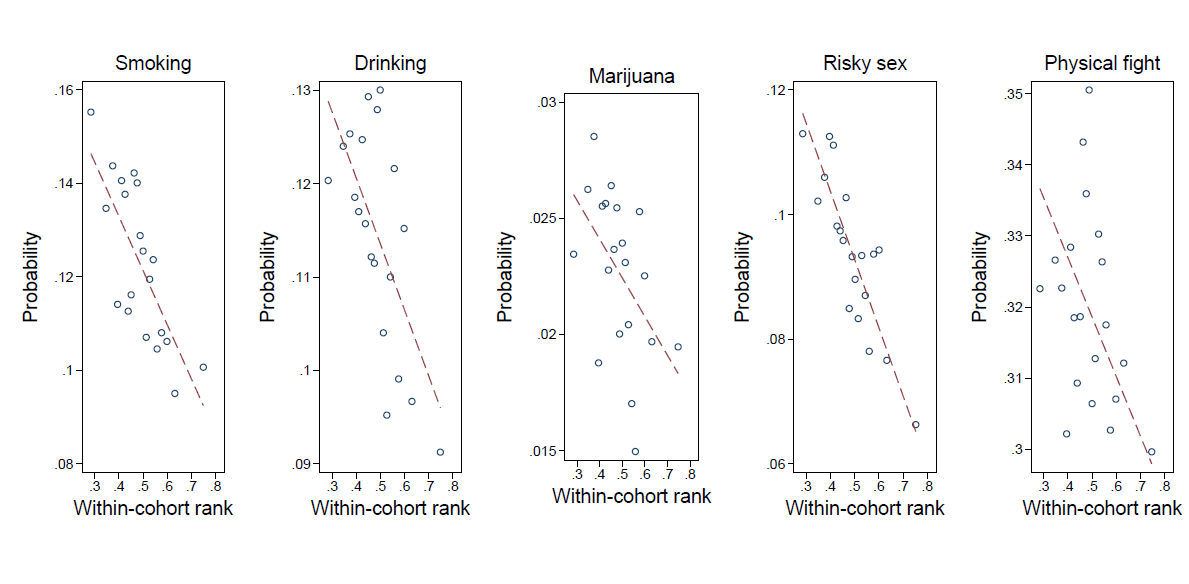
 The gender wage gap is one of the most researched empirical facts in labor economics. But it is not only the biological sex that is related to wages. A small but growing empirical evidence documents how individual sexual orientation is related to significant differences in labor market success. Gay men earn less than straight men; lesbian women earn more than straight women. Still, the reasons remain largely unknown.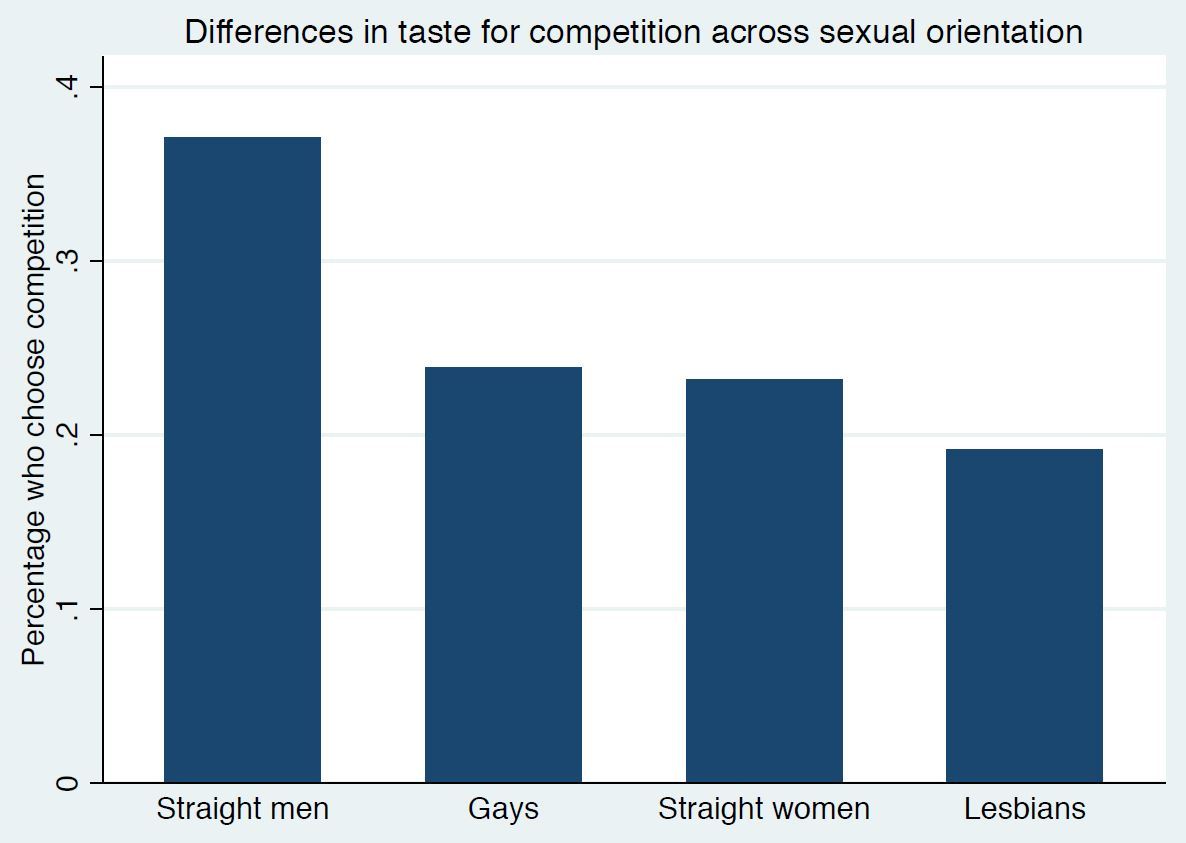

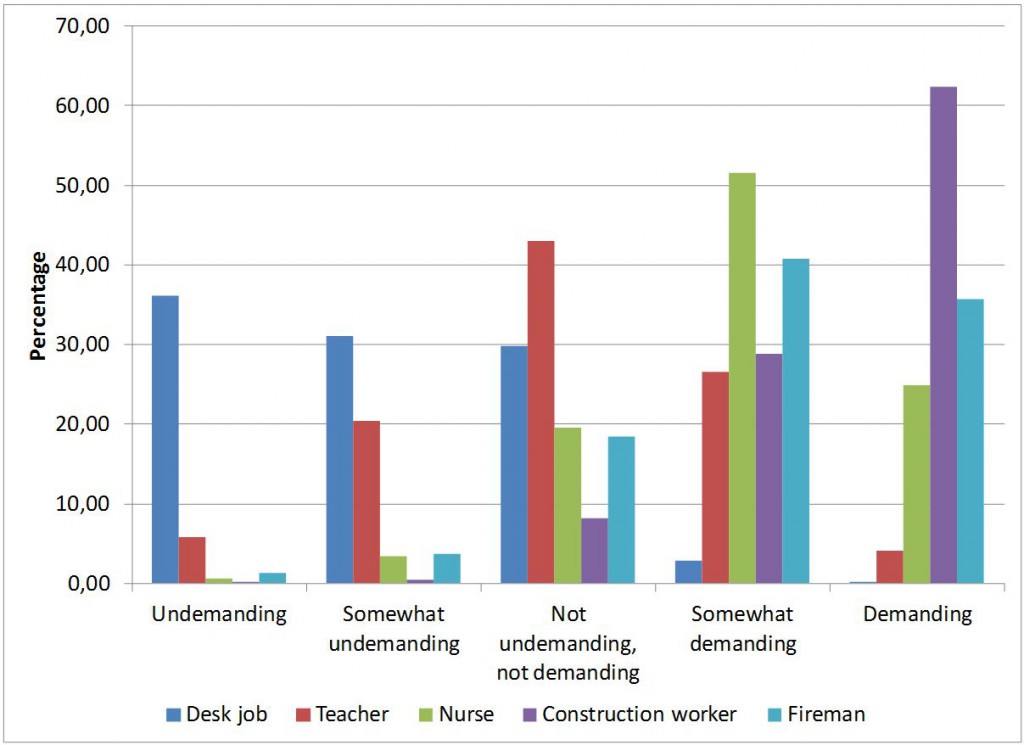
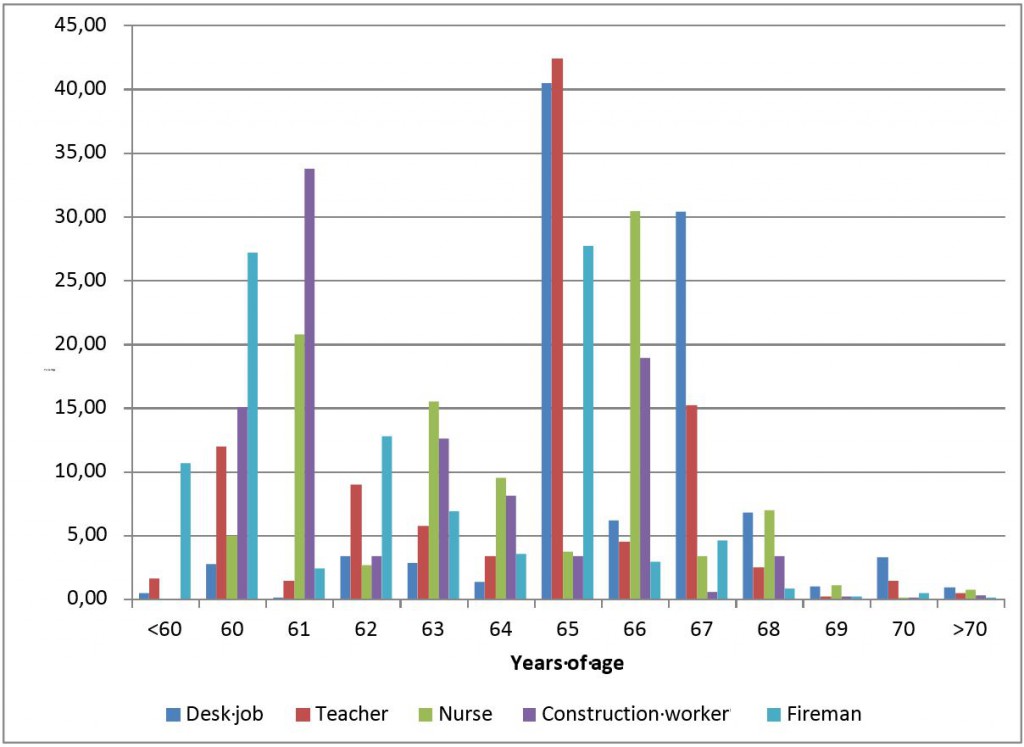
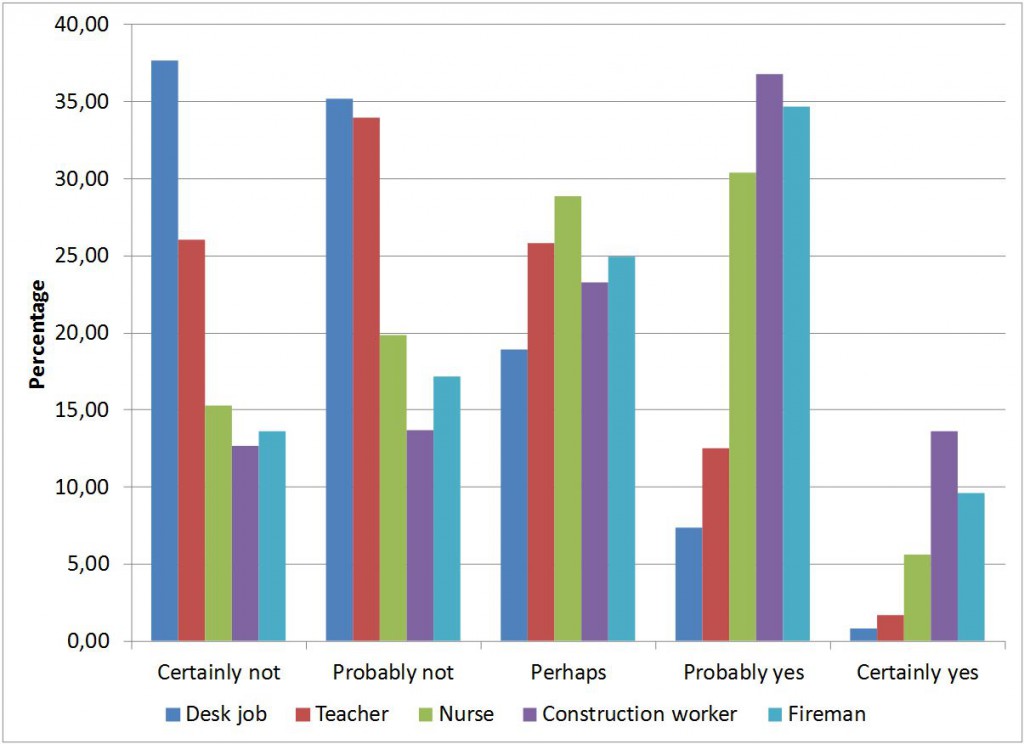
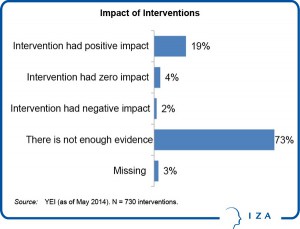 A new
A new 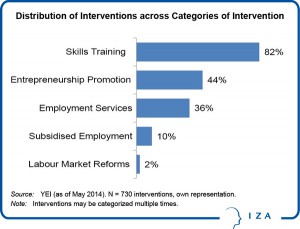 These are some of the findings of the descriptive analysis:
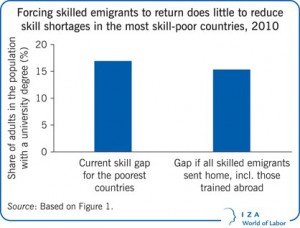 Beyond this, for the truly poor countries the problem is that they have extremely few skilled workers, period, not that those skilled workers are leaving. Think of the countries on earth with the lowest numbers of university-educated workers as a fraction of the labor force, like Malawi. Even if some draconian policy somehow forced all the skilled people from those countries who are abroad to return home—including the ones who got their training abroad—
 To fully realize the potential of today’s internet requires fast access. But in some of Europe’s rural areas, broadband connections are still a scarce resource. Especially rural businesses complain about the lack of internet infrastructure in their regions. In the EU 2020 strategy, the European Union has identified the “digital divide” between rural and urban areas as a major impediment to growth.
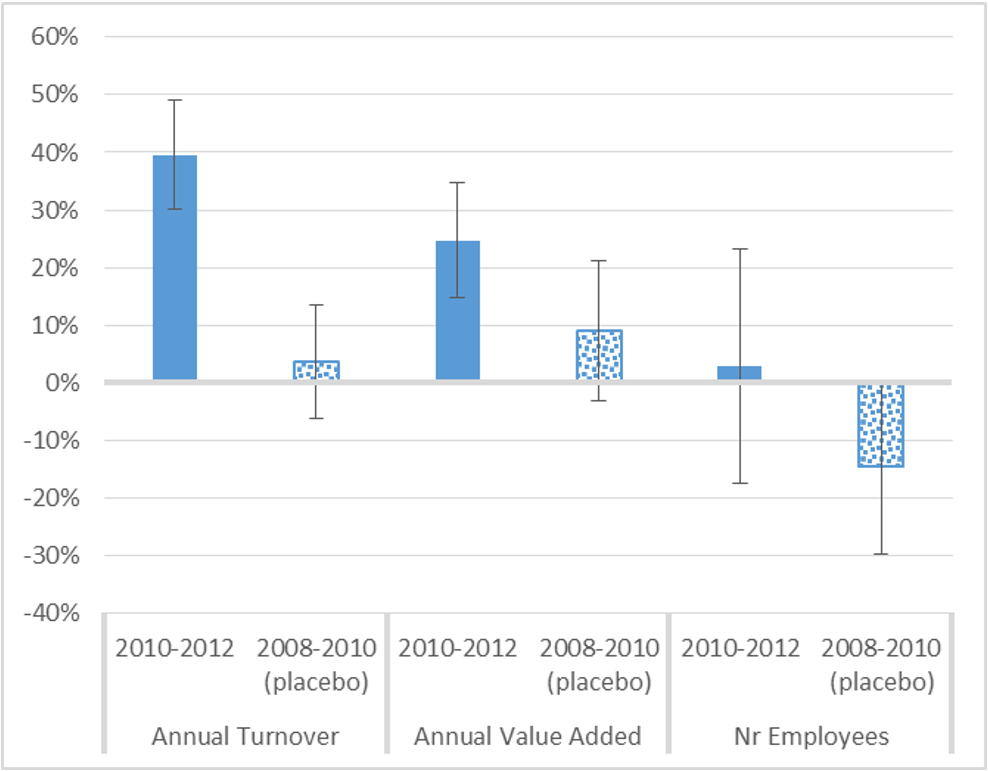 In order to verify the results, the researchers also ran placebo regressions in the two-year period before the actual program started. The fact that these test regressions showed no effects (see figure above) supports the causal interpretation that the provision of broadband internet was indeed the driving factor behind the boost in firm performance.